
Distinguished Speakers
Keynote Speakers

IEEE Fellow, Professor, University of Bremen, Germany
Rolf Drechsler
IEEE Fellow, Professor, University of Bremen, Germany
- Phone:+1 (859) 254-6589
- Email:[email protected]
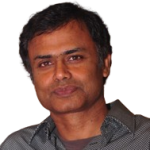
IEEE Fellow, Professor, Purdue University, USA
Kaushik Roy
IEEE Fellow, Professor, Purdue University, USA
- Phone:+1 (859) 254-6589
- Email:[email protected]
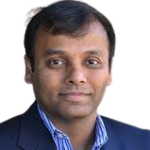
ACM/IEEE Fellow, Professor, Stanford University, USA
Subhasish Mitra
ACM/IEEE Fellow, Professor, Stanford University, USA
- Phone:+1 (859) 254-6589
- Email:[email protected]
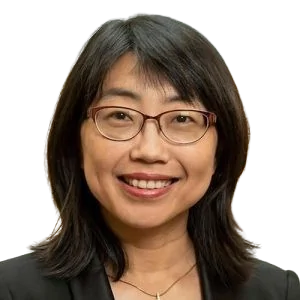
IEEE Fellow, Professor, Duke University, USA
Hai (Helen) Li
IEEE Fellow, Professor, Duke University, USA
- Phone:+1 (859) 254-6589
- Email:[email protected]
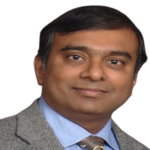
IEEE Fellow, Professor, Arizona State University, USA
Krishnendu Chakrabarty
IEEE Fellow, Professor, Arizona State University, USA
- Phone:+1 (859) 254-6589
- Email:[email protected]

IEEE Fellow, Professor, Carnegie Mellon University, USA
Shawn Blanton
IEEE Fellow, Professor, Carnegie Mellon University, USA
- Phone:+1 (859) 254-6589
- Email:[email protected]
VP – R&D Engineering, IP Group, Synopsys
Amit Khanuja
VP – R&D Engineering, IP Group, Synopsys
- Phone:+1 (859) 254-6589
- Email:[email protected]
MD, Infineon Technologies
Vinay Shenoy
MD, Infineon Technologies
- Phone:+1 (859) 254-6589
- Email:[email protected]
IEEE Fellow, Professor, IIT Kharagpur, India
Debdeep Mukhopadhyay
IEEE Fellow, Professor, IIT Kharagpur, India
- Phone:+1 (859) 254-6589
- Email:[email protected]
IEEE Fellow, Professor, Voiland College of Engineering and Architecture, USA
Partha Pratim Pande
IEEE Fellow, Professor, Voiland College of Engineering and Architecture, USA
- Phone:+1 (859) 254-6589
- Email:[email protected]
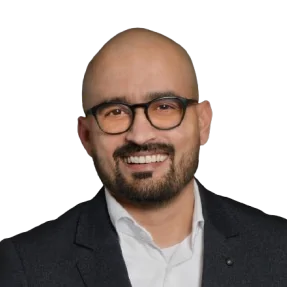
VP, FDSOI Product Line, GlobalFoundries
Sudipto Bose
VP, FDSOI Product Line, GlobalFoundries
- Phone:+1 (859) 254-6589
- Email:[email protected]
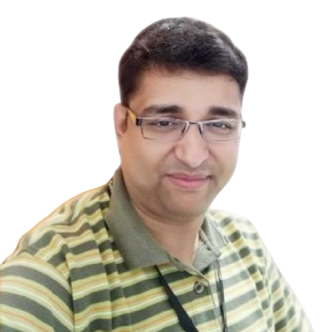
VP, Qualcomm, India
Sumit Goswami
VP, Qualcomm, India
- Phone:+1 (859) 254-6589
- Email:[email protected]
Banquet Speakers
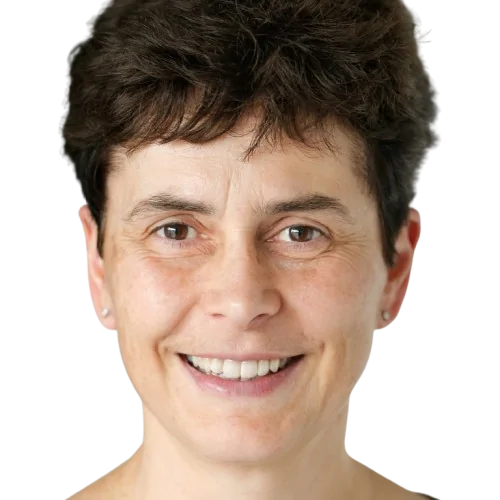
IEEE Fellow, Professor, KU Leuven, Research Group COSIC
Ingrid Verbauwhede
IEEE Fellow, Professor, KU Leuven, Research Group COSIC
- Phone:+1 (859) 254-6589
- Email:[email protected]
Invited Speakers
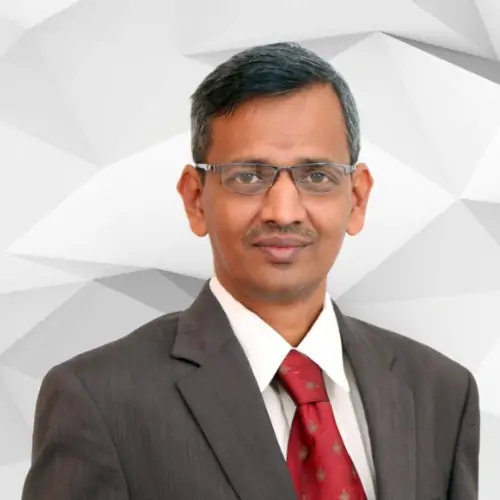
Executive Director, C-DAC Bangalore
S. D. Sudarsan
Executive Director, C-DAC Bangalore
- Phone:+1 (859) 254-6589
- Email:[email protected]
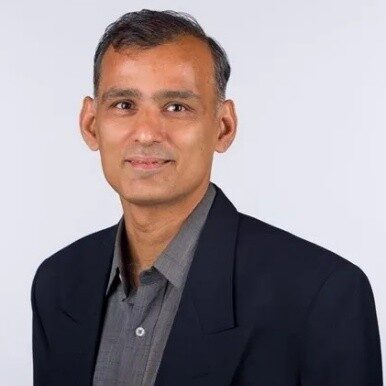
IBM India
Rahul M Rao
IBM India
- Phone:+1 (859) 254-6589
- Email:[email protected]
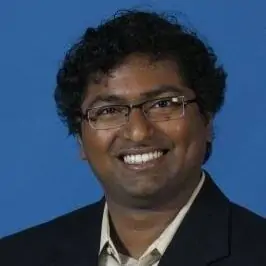
IEEE Fellow, Professor, Georgia Institute of Technology
Saibal Mukhopadhyay
IEEE Fellow, Professor, Georgia Institute of Technology
- Phone:+1 (859) 254-6589
- Email:[email protected]
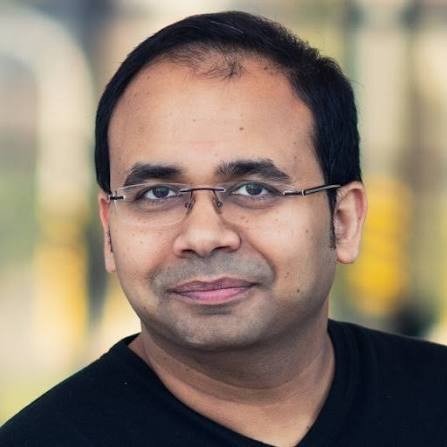
Department Director, CSA, IMEC, Belgium
Arindam Mallik
Department Director, CSA, IMEC, Belgium
- Phone:+1 (859) 254-6589
- Email:[email protected]
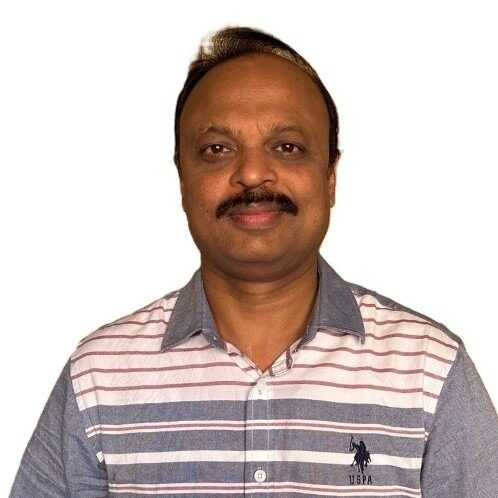
Corporate Vice President, AMD, India
H. M. R. Siddesh
Corporate Vice President, AMD, India
- Phone:+1 (859) 254-6589
- Email:[email protected]
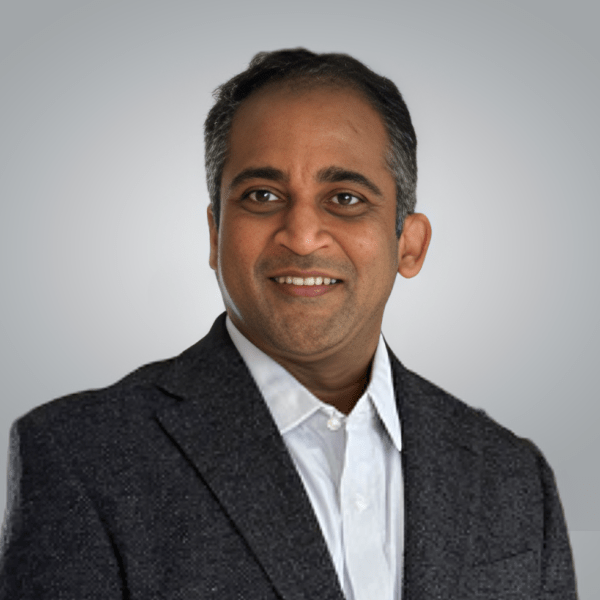
Senior Scientist and Group Leader, Argonne National Laboratory
Rajkumar Kettimuthu
Senior Scientist and Group Leader, Argonne National Laboratory
- Phone:+1 (859) 254-6589
- Email:[email protected]
Distinguished Leaders

IEEE Fellow, Senior Vice President, Synopsys Innovation, USA
Prith Banerjee
IEEE Fellow, Senior Vice President, Synopsys Innovation, USA
- Phone:+1 (859) 254-6589
- Email:[email protected]
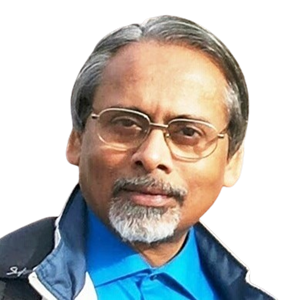
IEEE Fellow, Professor, ISI Kolkata
B. B. Bhattacharya
IEEE Fellow, Professor, ISI Kolkata
- Phone:+1 (859) 254-6589
- Email:[email protected]
Corporate Vice President, AMD
Sanjay Churiwala
Corporate Vice President, AMD
- Phone:+1 (859) 254-6589
- Email:[email protected]
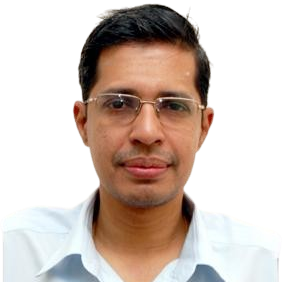
Director, Professor, IIT Madras
V. Kamakoti, Padma Shri (2026)
Director, Professor, IIT Madras
- Phone:+1 (859) 254-6589
- Email:[email protected]
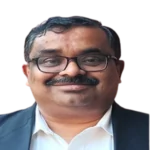
Professor, IIT Kharagpur
Partha Pratim Chakrabarti
Professor, IIT Kharagpur
- Phone:+1 (859) 254-6589
- Email:[email protected]
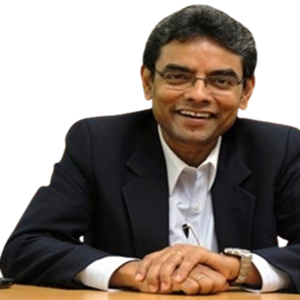
Former Group VP, Synopsys South Asia
Pradip K. Dutta
Former Group VP, Synopsys South Asia
- Phone:+1 (859) 254-6589
- Email:[email protected]

IEEE Fellow, Professor at Princeton University, USA
Niraj Jha
IEEE Fellow, Professor at Princeton University, USA
- Phone:+1 (859) 254-6589
- Email:[email protected]
Advisory Council
Chairperson, BoG, IIEST Shibpur & Advisory Committee Chair
Smt. Tejaswini AnanthKumar
Chairperson, BoG, IIEST Shibpur & Advisory Committee Chair
- Phone:+1 (859) 254-6589
- Email:[email protected]
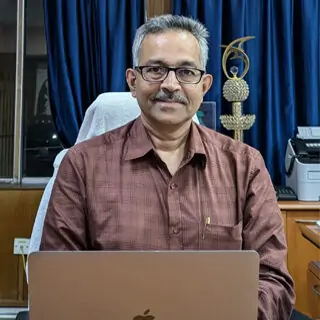
Director, IIEST Shibpur
V M S R Murthy
Director, IIEST Shibpur
- Phone:+1 (859) 254-6589
- Email:[email protected]
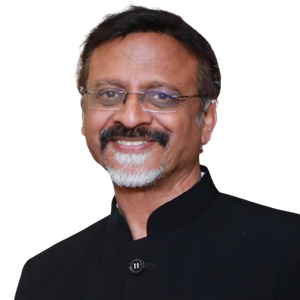
President, VSI
Satya Gupta
President, VSI
- Phone:+1 (859) 254-6589
- Email:[email protected]
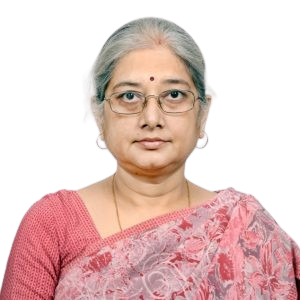
Professor, ISI Kolkata
Susmita Sur-Kolay
Professor, ISI Kolkata
- Phone:+1 (859) 254-6589
- Email:[email protected]
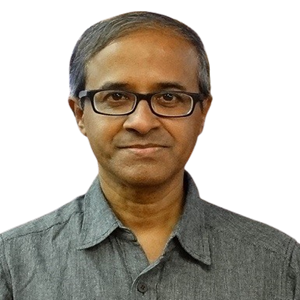
Professor, IIT Kharagpur
Indranil Sengupta
Professor, IIT Kharagpur
- Phone:+1 (859) 254-6589
- Email:[email protected]
Professor, Jadavpur University
Debesh Das
Professor, Jadavpur University
- Phone:+1 (859) 254-6589
- Email:[email protected]
IEEE Fellow, Professor, Arizona State University, USA
Krishnendu Chakrabarty
IEEE Fellow, Professor, Arizona State University, USA
- Phone:+1 (859) 254-6589
- Email:[email protected]
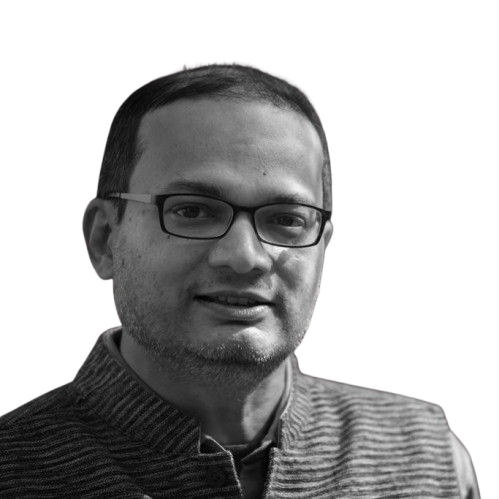
Sr. Director, Sensor Group, Synopsys
Mrinal Das
Sr. Director, Sensor Group, Synopsys
- Phone:+1 (859) 254-6589
- Email:[email protected]
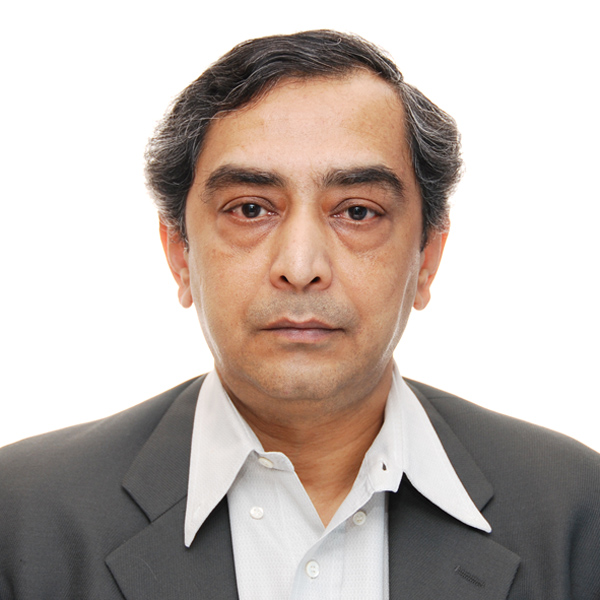
Professor, IIT Kharagpur
Partha Pratim Das
Professor, IIT Kharagpur
- Phone:+1 (859) 254-6589
- Email:[email protected]
Industry Partners
Gold Partners



Silver Partner

Technical Partners




Organized By